Virginia's High Court: a Felony Alone Does Not Take You Out of 'the People'
Source: AmmoLand (Nov 2026)
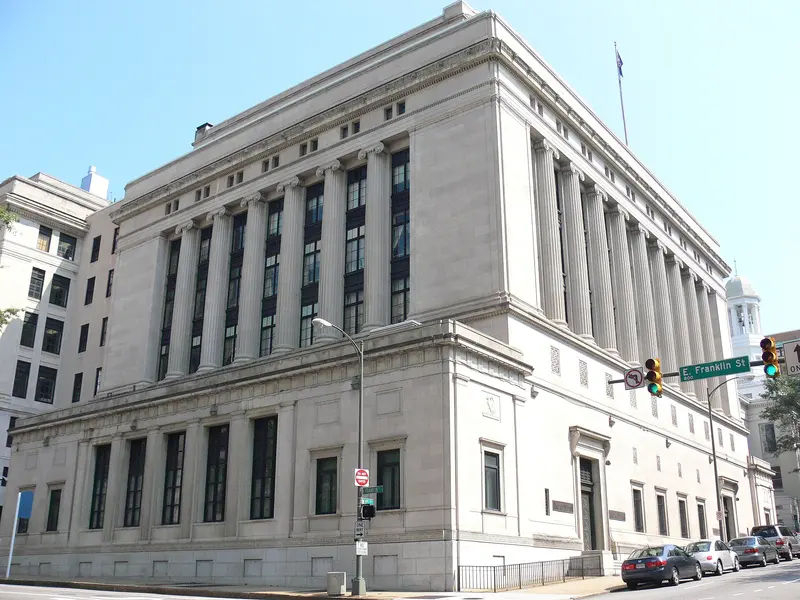
Image: Morgan Riley / Wikimedia Commons (CC BY 3.0)
The Supreme Court of Virginia ruled on November 25, 2026, in Ginevan v. Commonwealth, Record No. 250051, that “a felony conviction alone does not remove one from 'the people' protected by the Second Amendment.” Justice Wesley G. Russell Jr. wrote the 41-page opinion; the court reversed the Court of Appeals, vacated Derek Wade Ginevan's conviction and entered final judgment for him.
The reasoning turns on the same two words appearing in three amendments: “Because a felony conviction does not remove a person from 'the people' referenced in the First and Fourth Amendments, we conclude that, as a matter of language and logic, it does not remove a person from 'the people' referenced in the Second Amendment.” The court leaned on then-Judge Barrett's 2019 dissent in Kanter v. Barr.
The scope matters as much as the holding. The relief is as applied to Ginevan: his conviction is vacated and judgment entered for him. Virginia's blanket felon-in-possession statute has not been struck down, and nothing in the opinion is a categorical holding that no offence can ever disarm anyone.
What it does do is move the argument. Rather than treating a felony record as automatically disqualifying, the court's framing puts the burden back on the state to justify permanent disarmament in the individual case. AmmoLand carried the ruling on November 25.
Get this every Thursday. The week in guns, booze and tobacco, in one quick read.
Comments
No comments yet - be the first to post one.
More from Firearms
All Firearms


The Week In Guns, Booze & Tobacco. In One Quick Read.
The stories that actually mattered, from ATF moves to industry money to what everyone's talking about. Every Thursday. No junk.
Unsubscribing is one click — the link is in every edition.
We store your address to send the newsletter and nothing else.